
Protect Your Family From Lead in Your Home
Did you know that many homes built before 1978 have lead-based paint? Lead from paint, chips, and dust can pose serious health hazards. In this entire blog you will learn:
→ What Homeowners Should Know Before Buying, Renting, or Renovating
→ Simple Steps to Protect Your Family from Lead Hazards
Health Effects of Lead Exposure in children and adults
→ Where Lead-Based Paint Is Commonly Found
→ Identifying Lead-Based Paint and Lead-Based Paint Hazards
Lead base paint inspection
lead Risk assesment
→ Work With an EPA Lead-Safe Certified Contractor - Lead-Safe Practices Matte

Before renting or buying a pre-1978 home or apartment, federal law requires:
Sellers must disclose known information on lead-based paint or lead-based paint hazards before selling a house.
Real estate sales contracts must include a specific warning statement about lead-based paint. Buyers have up to 10 days to check for lead.
Landlords must disclose known information on lead-based paint or lead-based paint hazards before leases take effect. Leases must include a specific warning statement about lead-based paint.
If undertaking renovations, repairs, or painting (RRP) projects in your pre-1978 home or apartment:
• Read EPA’s pamphlet, The Lead-Safe Certifed Guide to Renovate Right, to learn about the lead-safe work practices that contractors are required to follow when working in your home. <div id="lead-paint"></div>
Simple Steps to Protect Your Family from Lead Hazards
If you think your home has lead-based paint:
• Don’t try to remove lead-based paint yourself.
• Always keep painted surfaces in good condition to minimize deterioration.
• Get your home checked for lead hazards.
• Talk to your landlord about fixing surfaces with peeling or chipping paint.
• Take precautions to avoid exposure to lead dust when remodeling.
• When renovating, repairing, or painting, hire only EPA- or state-approved Lead-Safe certified renovation contrators.
• Before buying, renting, or renovating your home, have it checked for lead-based paint.
How Lead Enters the Body
Lead can enter the body by:
Breathing contaminated dust
Swallowing lead dust from hands or food
Eating paint chips
Contact with contaminated soil around the home
Children under 6 years old are especially vulnerable because:
Their brains and nervous systems are still developing.
Their bodies absorb lead more easily.
They frequently put their hands and toys in their mouths.
Pregnant women can also pass lead to their unborn baby through the placenta.
Health Effects of Lead Exposure
It affects the body in many ways. It is important to know that even exposure to low levels of lead can severely harm children.
In children, exposure to lead can cause:
Nervous system and kidney damage
Learning disabilities, attention-defcit disorder, and decreased intelligence
Speech, language, and behavior problems
Poor muscle coordination
Decreased muscle and bone growth
Hearing damage
In adults, exposure to lead can cause:
Harm to a developing fetus
Increased chance of high blood pressure during pregnancy
Fertility problems (in men and women)
High blood pressure
Digestive problems
Nerve disorders
Memory and concentration problems
Muscle and joint pain
Where Lead-Based Paint Is Found
In general, the older your home or childcare facility, the more likely it has lead-based paint. Many homes, including private, federally assisted, federally owned housing, and childcare facilities built before 1978 have lead-based paint. In 1978, the federal government banned consumer use of lead-containing paint.

Lead may be present:
Inside walls and ceilings
Windows and window sills
Doors and door frames
Stairs, railings, porches
Exterior siding
Soil surrounding the home
Childcare facilities built before 1978
Identifying Lead-Based Paint and Lead-Based Paint Hazards
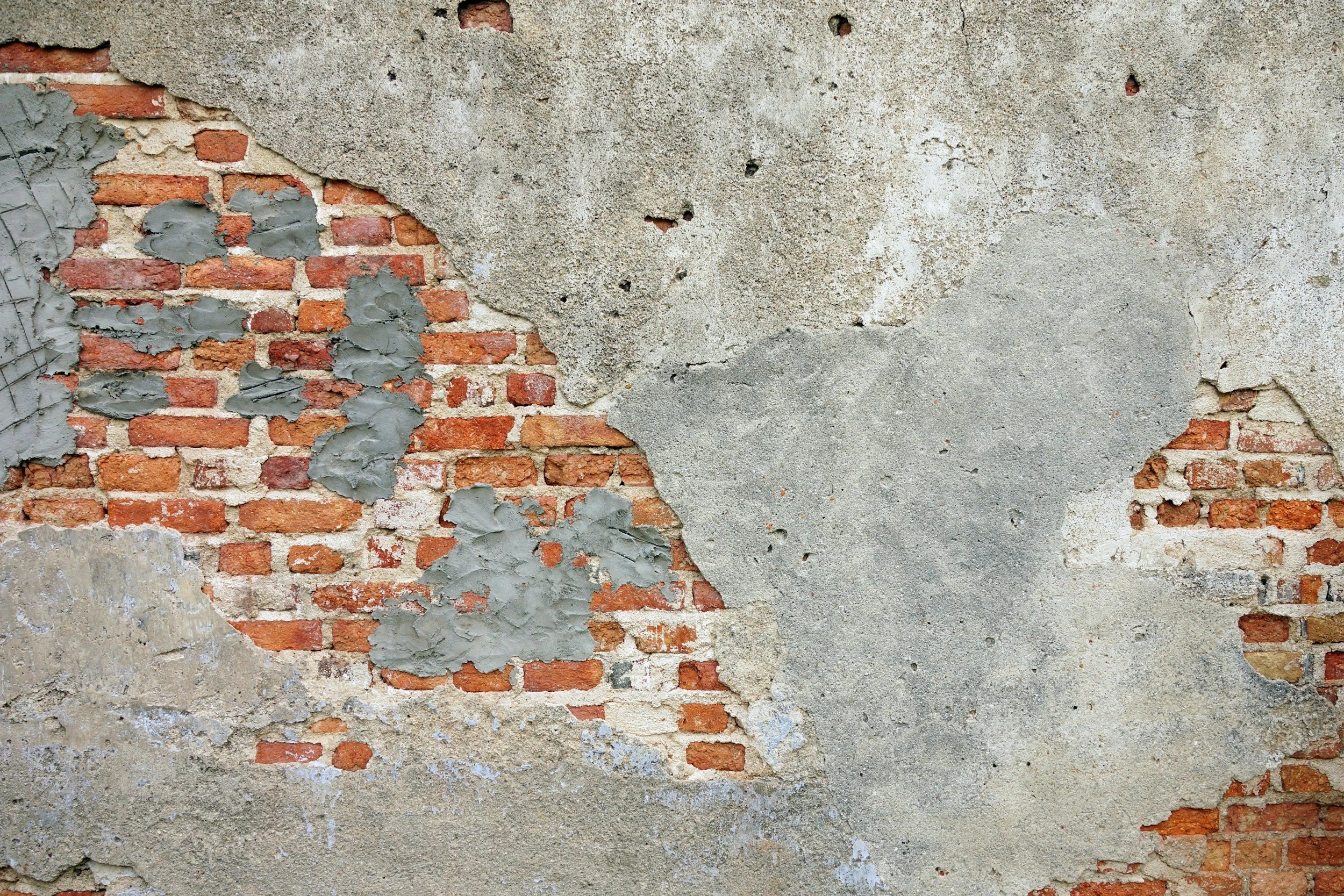
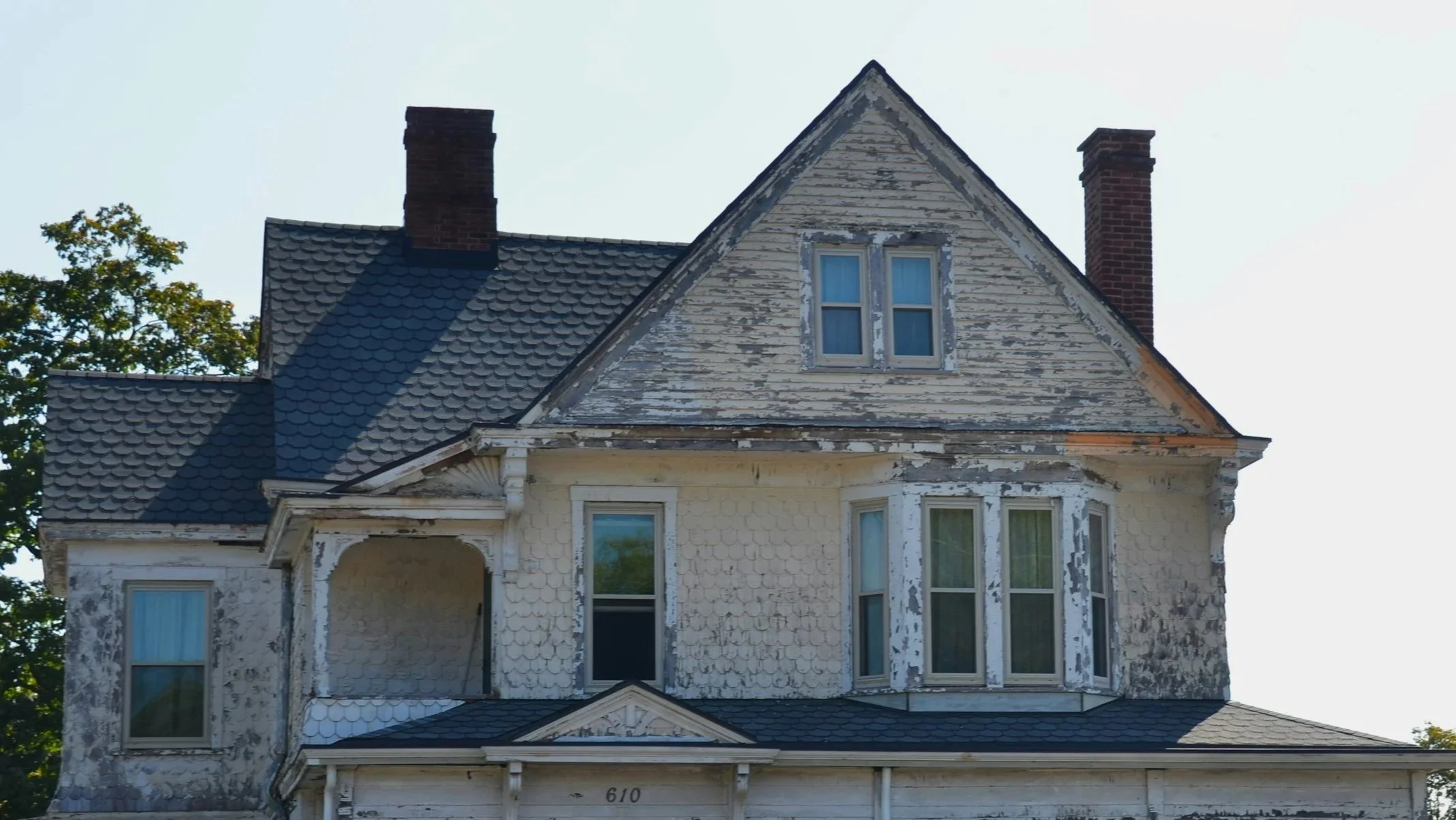
Deteriorated lead-based paint (peeling, chipping, chalking, cracking, or damaged paint) is a hazard and needs immediate attention. Lead-based paint may also be a hazard when found on surfaces that children can chew or that get a lot of wear and tear, such as:
On windows and window sills
Doors and door frames
Stairs, railings, banisters, and porches
Lead dust can form when lead-based paint is scraped, sanded, or heated. Lead dust also forms when painted surfaces containing lead bump or rub together.
Lead paint chips and dust can get on surfaces and objects that people touch.
-
This inspection determines:
Whether lead paint is present
Where it is located
It does not determine whether the paint currently poses a hazard.
Inspectors typically use:
Portable X-ray fluorescence (XRF) analyzers
Laboratory paint sample testing
-
A risk assessment goes a step further by identifying current hazards.
A certified risk assessor evaluates:
Peeling paint
Household dust
Window sills
Floors
Bare soil around the property
The assessment also provides recommendations for reducing any identified risks.
Work With an EPA Lead-Safe Certified Contractor
RRP contractors working in pre-1978 homes and childcare facilities must follow lead-safe work practices that:
Contain the work area. The area must be contained so that dust and debris do not escape from the work area. Warning signs must be put up, and plastic or other impermeable material and tape must be used.
Avoid renovation methods that generate large amounts of lead-contaminated dust. Some methods generate so much lead-contaminated dust that their use is prohibited. They are:
Open-flame burning or torching
Sanding, grinding, planning, needle gunning, or blasting with power tools and equipment not equipped with a shroud and HEPA vacuum attachment
Using a heat gun at temperatures greater than 1100°F
Clean up thoroughly. The work area should be cleaned up daily. When all the work is done, the area must be cleaned up using special cleaning methods.
Dispose of waste properly. Collect and seal waste in a heavy-duty bag or sheeting. When transported, ensure that waste is contained to prevent release of dust and debris.
At ThePro Painter Bay Area we've been helping homeowners for 18 years, and we understand how to safely renovate older homes while minimizing the risk of lead exposure.

We are EPA-certified contractors trained in lead-safe work practices, ensuring full compliance with the Renovation, Repair, and Painting (RRP) Rule. Whether you're renovating, repairing, or restoring a space built before 1978, we follow strict safety protocols to protect your home and health.
Schedule a call today to arrange a convenient time for your free consultation and on-site visit.
